Top 15 Interior Design Trends Transforming Homes in 2026
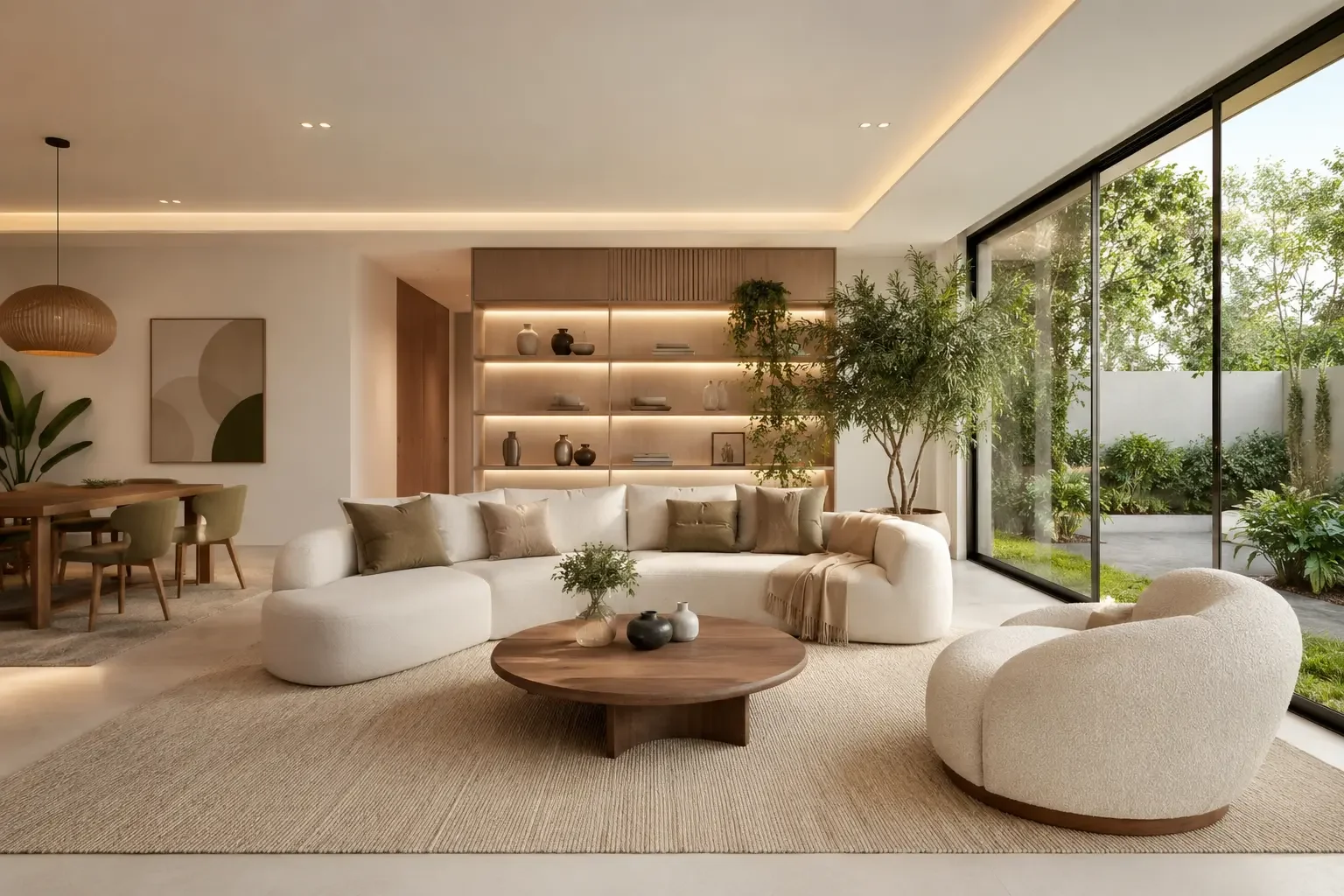
Top 15 Interior Design Trends Dominating Homes in 2026
The future of interior design is here, and it's smarter, greener, and more personalized than ever before. As we move through 2026, homeowners are no longer designing spaces solely for aesthetics—they're creating homes that enhance well-being, improve functionality, and increase property value.
From sustainable materials and smart home integration to wellness-focused spaces and luxury finishes, the latest interior design trends are transforming how people live and interact with their homes.
Whether you're planning a renovation, building your dream home, or looking for fresh inspiration, these top interior design trends will help you stay ahead of the curve.
1. Sustainable and Eco-Friendly Interiors
Sustainability continues to shape modern home design. Homeowners are increasingly choosing environmentally responsible materials that reduce their carbon footprint while creating beautiful living spaces.
Popular sustainable design elements include:
- Reclaimed wood furniture
- Bamboo flooring
- Recycled metal accents
- Eco-friendly paints
- Energy-efficient lighting
Sustainable homes are not only better for the environment but are also becoming more attractive to property buyers seeking long-term value.
2. Warm Minimalism Takes Center Stage
The era of cold, sterile minimalism is fading. In 2026, warm minimalism combines simplicity with comfort.
Key features include:
- Soft neutral color palettes
- Natural textures
- Comfortable furniture
- Organic materials
- Thoughtfully curated décor
This design style creates peaceful environments that feel inviting and sophisticated.
3. Smart Furniture and Hidden Technology
Technology is becoming seamlessly integrated into modern furniture.
Trending innovations include:
- Wireless charging side tables
- Smart mirrors with LED displays
- Adjustable standing desks
- Multifunctional storage furniture
- Voice-controlled home features
These smart solutions maximize convenience while maintaining clean and elegant interiors.
4. Wellness-Centered Living Spaces
Homeowners are prioritizing physical and mental well-being by creating dedicated wellness zones.
Popular additions include:
- Meditation rooms
- Home yoga studios
- Indoor plant sanctuaries
- Reading corners
- Aromatherapy spaces
Wellness-focused interiors help reduce stress while improving overall quality of life.
5. Biophilic Design: Bringing Nature Indoors
Biophilic design remains one of the strongest trends in residential architecture and interior design.
Key features include:
- Large indoor plants
- Living green walls
- Natural wood finishes
- Water features
- Floor-to-ceiling windows
Connecting indoor spaces with nature creates healthier and more relaxing environments.
6. Statement Ceilings Become Design Features
The ceiling is no longer overlooked.
Homeowners are embracing:
- Wooden ceiling panels
- Decorative moldings
- Integrated LED lighting
- Textured finishes
- Architectural ceiling designs
A well-designed ceiling can dramatically elevate the appearance of a room.
7. Flexible Multi-Purpose Spaces
As remote and hybrid work continue to evolve, multifunctional rooms have become essential.
Examples include:
- Home office and guest room combinations
- Convertible dining and workspaces
- Study areas integrated into living rooms
- Fold-away furniture solutions
These versatile spaces maximize functionality without compromising style.
8. Earth-Inspired Color Palettes
Nature-inspired tones are replacing overly bright and artificial colors.
Trending shades include:
- Olive green
- Terracotta
- Sand beige
- Clay brown
- Warm taupe
These earthy colors create calm and timeless interiors.
9. Spa-Like Luxury Bathrooms
Bathrooms are evolving into personal wellness retreats.
Most sought-after features include:
- Walk-in rain showers
- Floating vanities
- Smart mirrors
- Heated flooring
- Natural stone finishes
Luxury bathrooms remain one of the most valuable home improvements.
10. Open-Concept Kitchens Continue to Shine
The kitchen remains the heart of the modern home.
Key trends include:
- Large kitchen islands
- Hidden storage solutions
- Smart appliances
- Integrated dining areas
- Premium countertops
A well-designed kitchen significantly enhances both functionality and property value.
11. Curved Furniture and Organic Shapes
Sharp edges are giving way to softer, more natural forms.
Popular choices include:
- Curved sofas
- Rounded coffee tables
- Archways
- Oval mirrors
- Sculptural furniture
Organic shapes create a sense of comfort and visual harmony.
12. Textured Walls Add Character
Flat painted walls are being replaced with richer, more dynamic finishes.
Trending wall treatments include:
- Decorative plaster
- Wood slat panels
- Stone cladding
- 3D wall features
Texture adds depth and sophistication to interior spaces.
13. Outdoor Living Spaces as Home Extensions
Outdoor areas are becoming true extensions of indoor living.
Popular outdoor upgrades include:
- Outdoor kitchens
- Fire pits
- Covered entertainment areas
- Garden lounges
- Outdoor dining spaces
These features enhance lifestyle while increasing property appeal.
14. Sustainable Luxury Materials
Luxury design in 2026 emphasizes responsible sourcing and craftsmanship.
Popular premium materials include:
- Natural stone
- Reclaimed timber
- Recycled metals
- Handmade finishes
Homeowners are seeking quality materials that combine beauty, durability, and sustainability.
15. Personalized and Bespoke Interiors
Mass-produced interiors are losing popularity as homeowners embrace individuality.
Customization trends include:
- Bespoke furniture
- Custom cabinetry
- Unique artwork
- Cultural influences
- Personalized décor collections
Personalized spaces create stronger emotional connections and unique design identities.
Why These Trends Matter for Property Value
Homes incorporating modern design trends often enjoy significant advantages:
✔ Higher buyer interest
✔ Faster sales
✔ Increased property values
✔ Better online listing performance
✔ Stronger long-term investment potential
For homeowners, investors, architects, and developers, staying current with interior design trends can deliver substantial financial and lifestyle benefits.
Final Thoughts
Interior design in 2026 is focused on creating homes that are beautiful, functional, sustainable, and future-ready. From smart furniture and wellness spaces to eco-friendly materials and personalized interiors, these trends reflect the changing needs of modern homeowners.
Whether you're planning a renovation or building a new property, incorporating these design ideas can enhance your living experience while boosting your home's market value.
The homes that stand out in 2026 will be those that successfully combine technology, comfort, sustainability, and timeless design.
No responses yet
Be the first to share your thoughts on this article!